

Understanding Flat Feet & High Arches
Flat feet and high arches are common foot shapes that affect how you stand and move. Many people never have symptoms, while others may experience pain, fatigue, instability, or changes in body alignment.
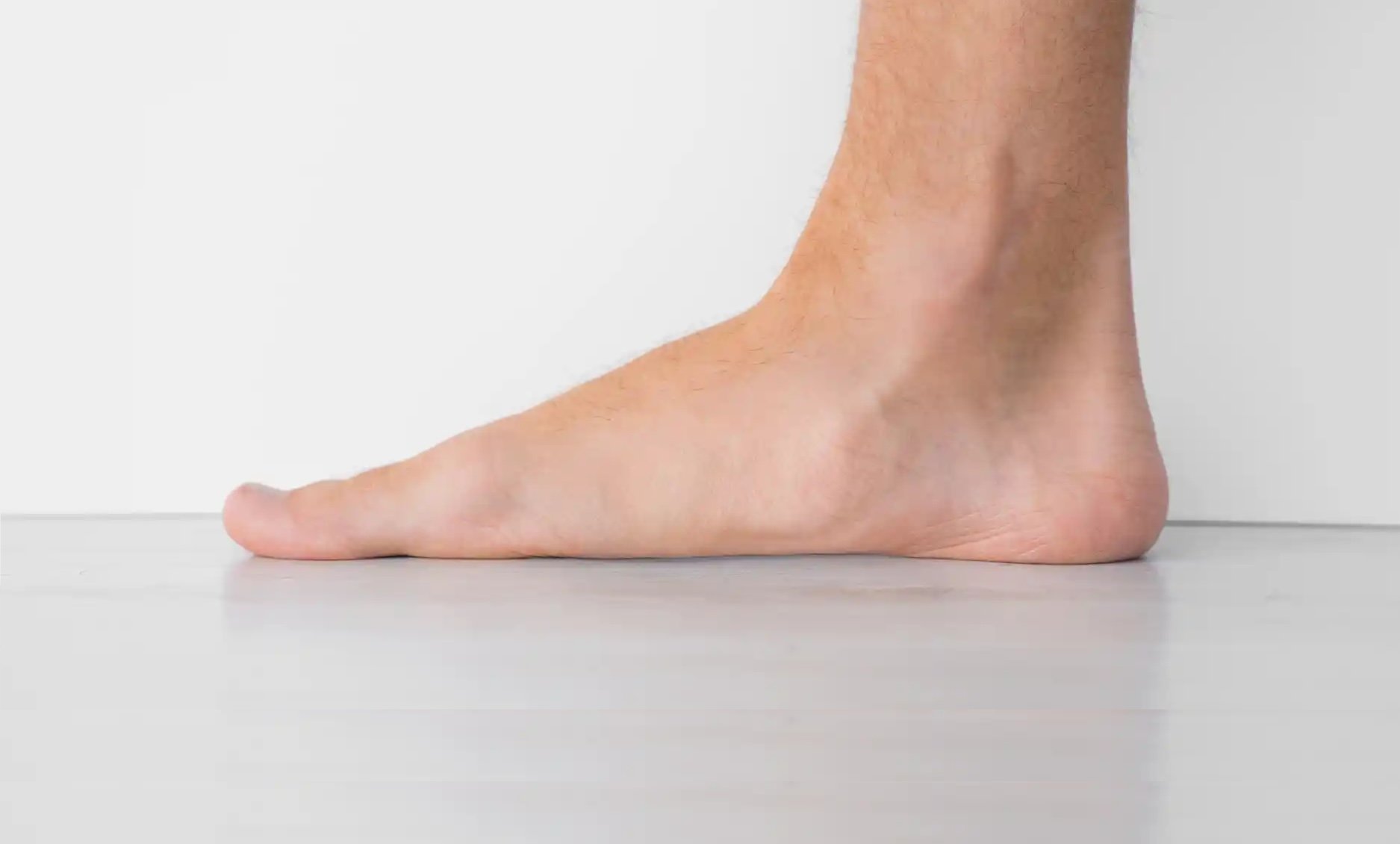
Flat feet (flatfoot) occur when the arch collapses. In a flexible flatfoot, the arch appears when the foot is off the ground but disappears when standing. This can lead to heel tilting outward, front-foot drift, tendon strain, and conditions such as posterior tibial tendon dysfunction (PTTD).
High arches (cavus foot) are the opposite—an elevated arch places excess pressure on the heel and forefoot. This makes the foot less adaptable, often leading to pain, instability, and a higher risk of ankle issues.
Common Causes of Flat Feet & High Arches
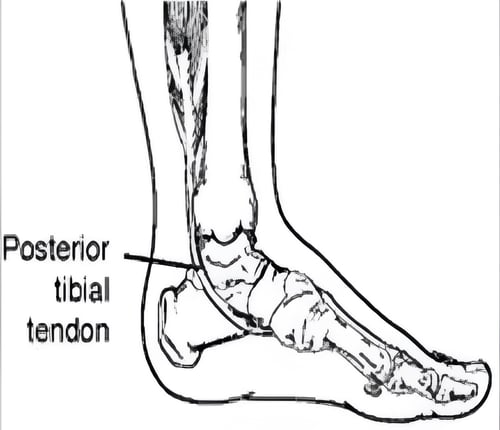
Flat feet and PTTD commonly result from overuse of the posterior tibial tendon, especially with activities like running, walking, or climbing stairs. Cavus foot may be linked to neurologic conditions such as Charcot-Marie-Tooth disease, cerebral palsy, spina bifida, or muscular dystrophy. It may also be inherited. Neurologic-related cases tend to worsen over time, while structural cavus often remains stable.
Signs You May Have Flat Feet or High Arches
Flat feet may cause:
- Pain in the arch, heel, or inside of the ankle
- Overpronation (ankles rolling inward)
- Swelling or tenderness along the inner ankle
- Shin pain
- Weakness or difficulty standing on tiptoes
- Fatigue in the feet or legs
- Hip, knee, or low back discomfort from misalignment
High arches may cause:
- Heel or forefoot pressure and pain
- Quick shoe wear under the heel or ball of the foot
- Frequent ankle sprains or instability
- Calluses beneath the forefoot or outer edge
- Toes curling or forming hammertoes
- Difficulty finding shoes due to a high instep
- Foot stiffness or reduced flexibility
How We Diagnose Flatfeet and High Arches
Diagnosis begins with a hands-on evaluation of arch height, strength, flexibility, and gait. We may review shoe wear patterns and look for tendon tenderness, hammertoes, or pressure points. X-rays are often used to assess bone alignment, and when needed, we evaluate the entire limb to rule out neurologic causes. When needed, we may recommend advanced imaging like an MRI or CT scan to better understand which structures are causing your pain.
Frequently Asked Questions

