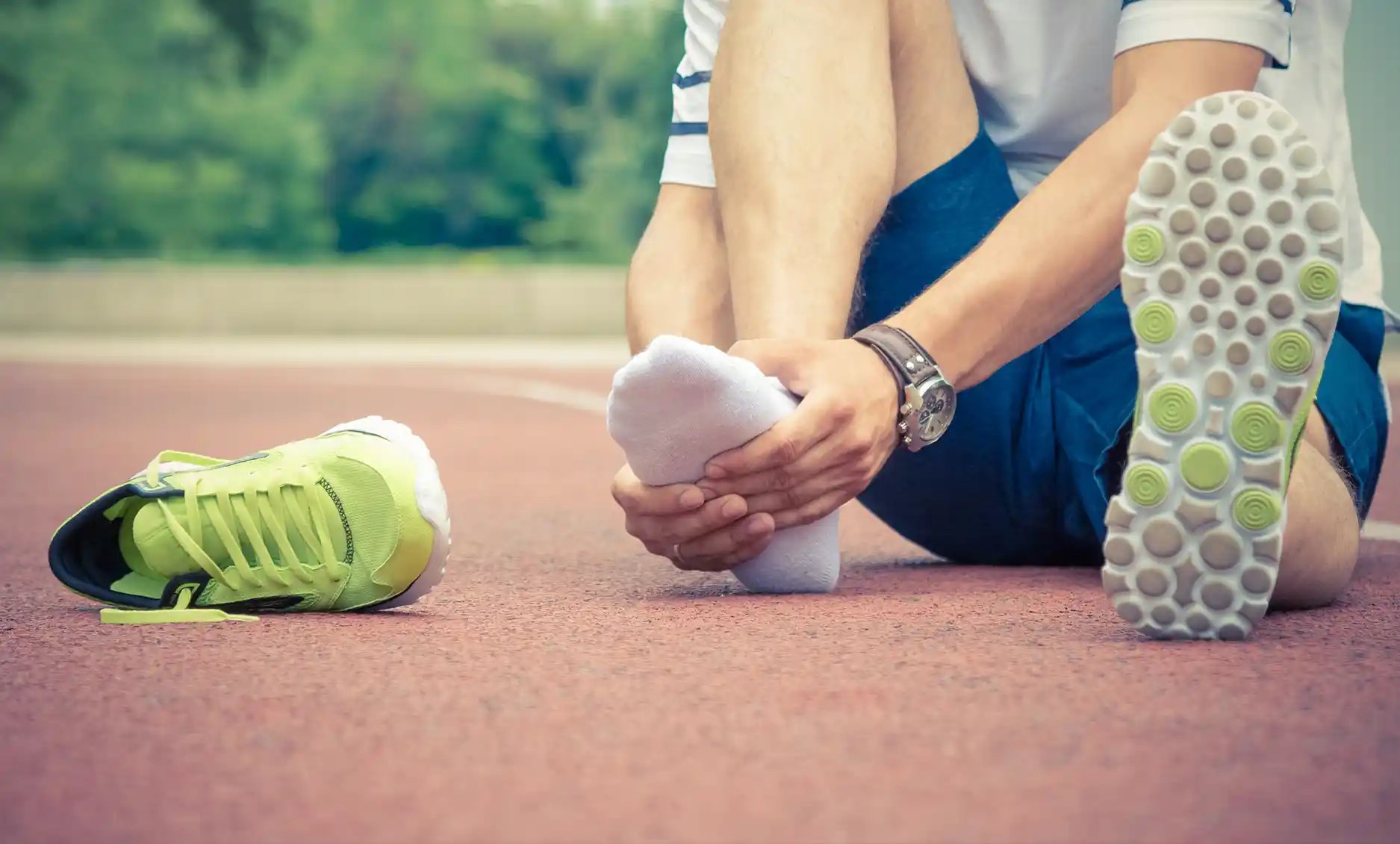
Athlete’s foot, also known as tinea pedis, is a fungal skin infection caused by fungi. Fungal infections can manifest on various parts of the body, but when they affect the foot, it is referred to as athlete’s foot. Fungi have a propensity to thrive in environments that are dark, moist, and warm, such as the interior of shoes.
These fungal infections tend to be more prevalent in warmer weather when feet perspire profusely. Fungi thrive in humid conditions, making places like swimming pools, showers, and locker rooms common breeding grounds. Athletes, who often experience sweaty feet and frequent these facilities, coined the term ‘athlete’s foot.’
Athlete’s Foot is one of the most common fungal infections—and despite its name, you don’t have to be an athlete to develop it. Anyone can experience it, especially in warm, moist environments where fungus thrives. Understanding what triggers Athlete’s Foot can help you prevent flare-ups and know when it’s time to seek treatment.
Athlete’s Foot is most commonly caused by:
- Prolonged moisture around the feet from sweating, damp socks, or non-breathable shoes
- Walking barefoot in communal areas like gyms, locker rooms, pools, or hotel showers
- Tight or poorly ventilated footwear that traps heat and moisture
- Sharing shoes, socks, or towels with someone who has a fungal infection
- Minor skin breaks or irritation that allow fungus to enter and spread
- Weakened skin or immune response, which can make the feet more susceptible to fungal growth
Prevention
Preventing athlete’s foot can be achieved by refraining from walking barefoot in shared or high-risk areas and maintaining good foot hygiene. Daily foot washing with soap and water, ensuring thorough drying, especially between the toes, is essential. To keep your feet as dry as possible, consider changing socks if your feet tend to sweat excessively. Antifungal powders, sprays, or creams are often recommended for the treatment of athlete’s foot. Consult with a foot and ankle specialist to determine the most suitable treatment for your specific condition.
Athlete’s Foot often starts as a small irritation that gradually becomes more noticeable. Many people even mistake it for dry skin or simple chafing at first, but the symptoms tend to persist—and often worsen—without treatment.
Some common signs you have athlete’s foot include:
- Itching, burning, or stinging between the toes
- Red, scaly, or peeling skin, especially on the soles or between toes
- Dryness or cracking that doesn’t improve with moisturizer
- Small blisters or fluid-filled bumps
- A persistent rash that spreads or keeps returning
- Unpleasant odor, often caused by trapped moisture and fungus
Diagnosing Athlete’s Foot is typically straightforward and begins with a careful evaluation of your symptoms, skin appearance, and medical history. Because several skin conditions can mimic fungal infections, a proper diagnosis helps ensure you receive the most effective treatment.
Your evaluation may include:
- A visual exam of the skin between the toes, on the soles, and around affected areas
- Questions about symptoms such as itching, burning, peeling, or recurrent flare-ups
- Assessment of risk factors, including footwear habits, activity level, and exposure to shared surfaces
- A simple skin scraping or culture, if needed, to confirm the presence of fungus and rule out other conditions
This thorough approach helps identify the underlying cause of irritation and guides a personalized treatment plan for lasting relief.
Most cases of Athlete’s Foot respond well to targeted treatment, especially when addressed early. Care typically focuses on eliminating the fungal infection, relieving symptoms, and preventing it from returning. Recovery time varies based on severity, but many patients begin noticing improvement within days.
Treatments usually include:
- Topical antifungal creams or sprays to clear the infection at the skin’s surface
- Oral antifungal medications for more persistent or widespread cases
- Soothing treatments to reduce itching, burning, and inflammation
- Guidance on foot hygiene, shoe habits, and moisture control to prevent recurrence
- Review of any contributing conditions, such as excessive sweating or skin irritation
With consistent treatment and proper aftercare—keeping feet clean and dry, wearing breathable footwear, and avoiding shared damp surfaces—most people achieve full resolution within 2 to 4 weeks. Persistent or recurrent symptoms may require a more tailored plan.