

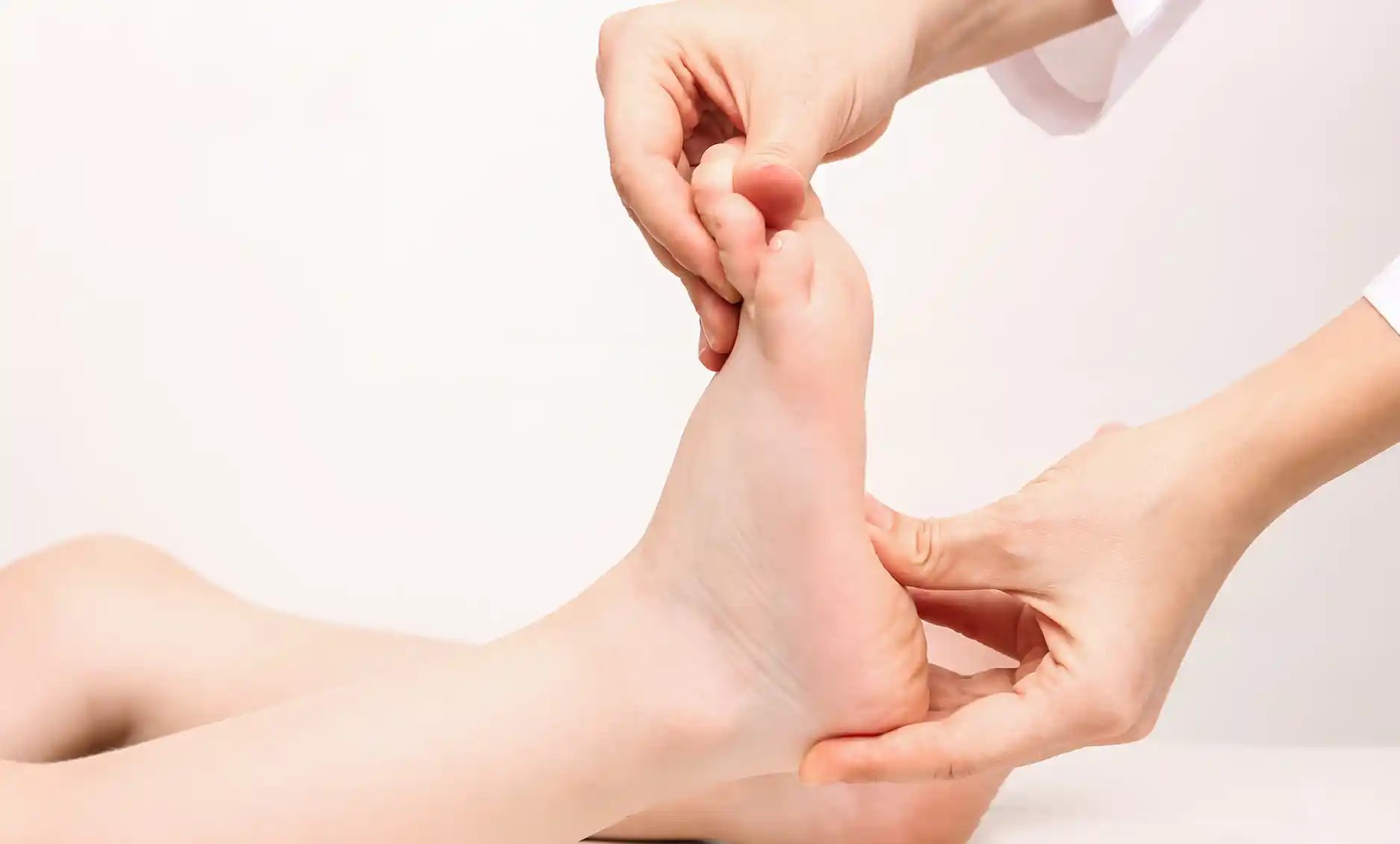
Flat Feet in Children
Understanding Flat Feet in Children
Parents keep a watchful eye on their growing children, monitoring their development and staying alert for any signs of potential issues. One such concern is pediatric flatfoot, a condition that, if left unaddressed, could lead to permanent deformity in adulthood. The deformity associated with flatfoot can result in mobility challenges and discomfort during physical activities, ultimately raising the risk of reduced cardiovascular health and obesity.
Parents often hesitate when surgery is mentioned, especially for a child. But when painful flat feet are left untreated, they can turn into ongoing pain and stability issues later in life. Because kids depend on their feet every day as they grow, taking symptoms seriously early on is an important part of protecting their long-term mobility.
Common Causes of Flat Feet in Children
Flat feet are often a natural part of development. Many children develop normal arches as they grow. However, certain biomechanical or structural issues can prevent proper arch formation or lead to collapse. At the Foot & Ankle Center of Arizona, we evaluate the underlying contributors using a comprehensive, evidence-based approach, ensuring your child receives the right treatment at the right time.
Common causes of flat feet in children include:
- Normal developmental flatfoot: Arches may be flat early in life and develop naturally
with age. - Genetic or hereditary factors: Foot structure is often inherited.
- Ligamentous laxity (loose joints): Hypermobile joints may allow the arch to collapse.
- A tight Achilles tendon: Excess pulling on the heel can cause the arch to flatten.
- Posterior tibial tendon weakness: This stabilizing tendon may not be strong enough to support the arch.
- Neuromuscular conditions: Changes in tone or coordination can disrupt normal
alignment. - Foot injuries or trauma: Extra stress on growing feet can flatten the arch.
- Obesity or increased weight load: Additional stress on developing feet can contribute to arch flattening.
- Tarsal coalition: When two bones in the back of the foot develop abnormally and become connected. This reduces the natural movement of the foot and can cause pain, stiffness, and difficulty with physical activity as a child grows.
Signs of Flat Feet in Children
Some children with flat feet show no symptoms. Others may experience:
- Pain or tenderness in the foot, ankle, leg, or knee
- Frequent cramping
- Heel tilting outward (heel valgus)
- Clumsiness or stumbling
- Difficulty selecting or wearing shoes
- Fatigue or reduced participation in physical activities
Flexible vs. Rigid Pediatric Flatfoot
- Flexible flatfoot: The child has a visible arch when sitting or in a non-weight-bearing position, but the arch collapses during standing. Symptoms may be mild or absent.
- Rigid flatfoot: The arch is always flat, both sitting and standing. This is often symptomatic and may involve stiffness, limited motion, or pain.
How We Diagnose Flat Feet in Children
Diagnosis begins with a detailed clinical exam in both weight-bearing and non-weight-
bearing positions. Your child’s surgeon will:
- Evaluate gait mechanics
- Observe heel position and arch collapse
- Assess flexibility and range of motion
- Identify tenderness or limited mobility
- Examine the foot with and without shoes
Comprehensive testing allows us to identify the root causes of the flatfoot disorder and formulate an appropriate treatment plan.
Treatment Options for Pediatric Flat Feet
Conservative Management
When flatfoot causes pain or interferes with regular activity, treatment often begins with:
- Physical therapy to improve strength and mobility
- Stretching programs, particularly for a tight Achilles tendon
- Supportive footwear to stabilize the foot
- Custom or prescription orthotics to support the arch
- Anti-inflammatory medications, such as ibuprofen, to reduce pain and swelling
Surgical Intervention
Surgery is considered when:
- Symptoms persist despite conservative treatment
- The deformity is rigid or structurally abnormal
- The child experiences ongoing pain or functional limitations
- The condition worsens or impairs normal development
Surgical goals include restoring alignment, correcting bone and tendon imbalance, and stabilizing the foot for long-term mobility and function.
Is It Time to See a Children’s Podiatrist for Flat Feet?
Our board-certified podiatrists and fellowship-trained foot and ankle surgeons provide a gentle, evidence-based assessment to determine what’s normal, what needs monitoring, and what requires treatment. We help your family find clarity, confidence, and a path forward.