

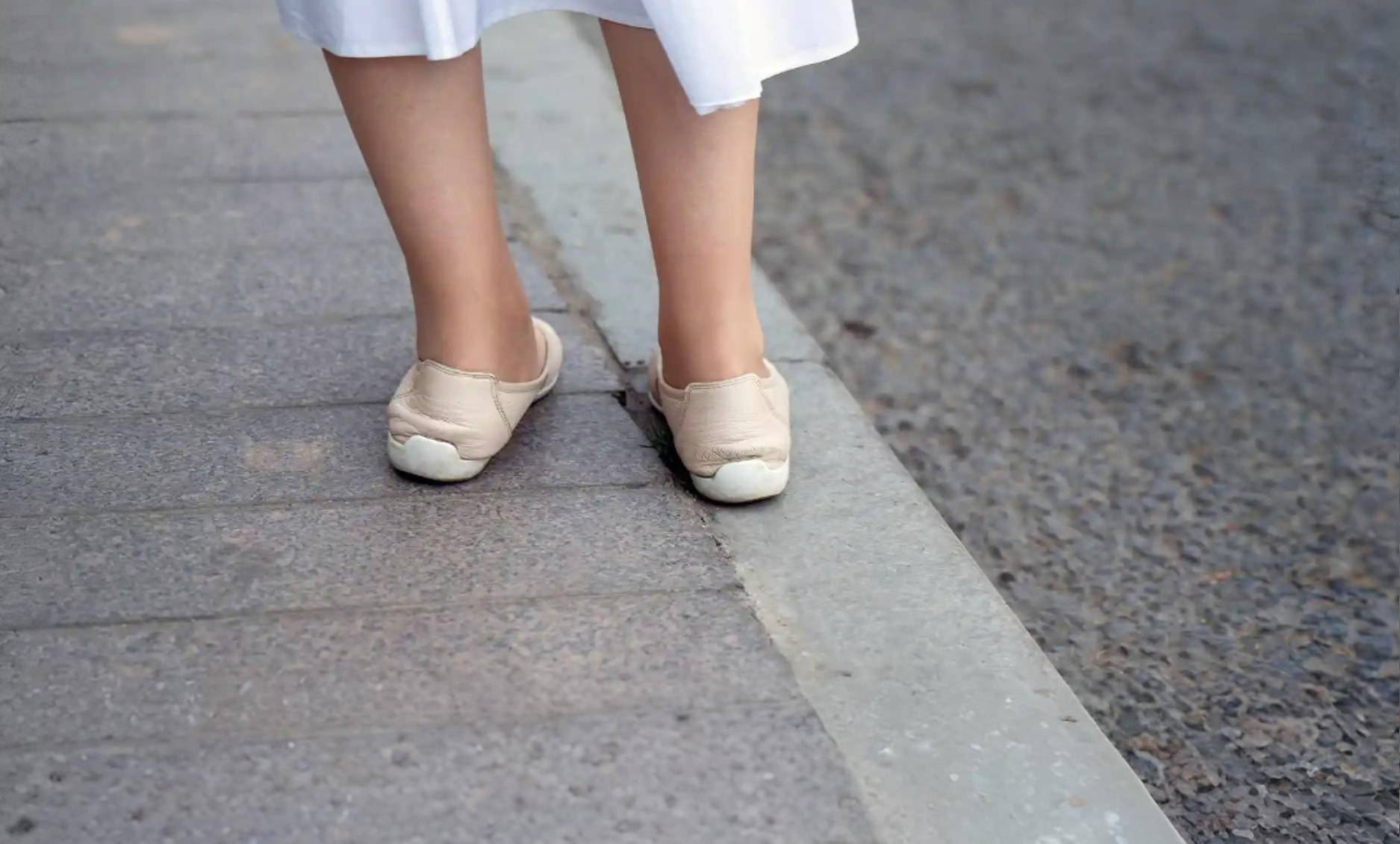
Understanding Children’s Foot Alignment Issues
In-toeing, out-toeing, and toe walking are common gait patterns seen in children, and while they can be concerning for parents, many are part of normal early development. In-toeing—often called “pigeon toes”—occurs when the feet point inward while walking. It is frequently related to the way the bones of the hip, thigh, or lower leg are aligned during growth and typically resolves naturally as a child matures.
Out-toeing, on the other hand, is the opposite pattern, where the feet point outward. Like in-toeing, it can stem from the natural rotation of the legs during development and often improves with time.
Toe walking includes two different types, idiopathic and pathological, and is characterized by walking primarily on the balls of the feet instead of using a normal heel-to-toe pattern. It is very common in toddlers learning to walk and usually fades as balance and coordination improve. However, persistent toe walking beyond age three may signal an underlying biomechanical or neuromuscular issue that a foot and ankle specialist should evaluate.
Common Causes of In-Toeing, Out-Toeing, and Toe Walking
- Metatarsus Adductus: This is a curve in the foot that often corrects itself.
- Tibial Torsion: An inward twist of the shinbones that usually resolves spontaneously.
- Femoral Anteversion: An inward twisting of the thigh bone typically resolves with age.
Parents may wonder about the genetics of pigeon toes or if their child’s posture or activities could contribute to the condition. It’s important to recognize that while genetics can play a role, everyday activities or posture rarely cause attention.
Out-toeing is often caused by the natural outward rotation of the hips or legs during growth. In many children, this condition stems from the way the thigh bone (femur) or lower leg bone (tibia) developed in the womb and typically improves as muscles strengthen and walking mechanics mature. Flexible flat feet can also contribute, as the arch collapses and the feet appear to turn outward.
Finally, toe walking is most commonly seen in toddlers as they learn to balance and explore different ways to move. This early toe-to-toe pattern often resolves on its own. When it continues beyond age three, however, common causes include tight Achilles tendons, underlying biomechanical imbalances, or sensory processing tendencies where the child prefers walking on their toes for comfort or stability.
Signs of Gait Abnormality in Podiatry
Recognizing gait concerns early can make a meaningful difference in a child’s long-term mobility and comfort. While many walking patterns in childhood are part of normal development, persistent in-toeing, out-toeing, or toe-walking may signal an underlying biomechanical issue that warrants attention.
Common signs and symptoms parents can watch for include:
- Feet that consistently point inward (in-toeing) or outward (out-toeing) while standing or walking
- Frequent tripping, stumbling, or clumsiness, especially during running or play
- Walking exclusively or primarily on the toes past age three
- Difficulty placing heels on the ground or a noticeable tightness in the calf muscles
- Uneven shoe wear, with excessive wear on the inner or outer edges
- Complaints of foot, ankle, or leg pain after activity
- A noticeable limp, fatigue, or reluctance to participate in sports or playground activities
- Gait patterns that worsen over time instead of improving with age
How We Diagnose Children’s Foot Alignment Issues
At the Foot & Ankle Center of Arizona, diagnosing pediatric alignment concerns—such as in-toeing, out-toeing, and toe walking—begins with a thorough, compassionate evaluation tailored to each child’s developmental stage. Our specialists start by reviewing the child’s medical history, growth patterns, and any symptoms parents have noticed at home. We then perform a detailed physical examination that assesses muscle flexibility, joint alignment, foot structure, and leg rotation from the hips down to the toes.
A key part of our process is a comprehensive gait analysis, where we observe how a child stands, walks, and runs to identify abnormal movement patterns and determine whether the issue is developmental, biomechanical, or related to muscle tightness or sensory preference. When needed, we may also use advanced imaging—such as X-rays or ultrasound—to evaluate bone alignment or rule out underlying structural concerns.
Frequently Asked Questions

