
Calcaneal Apophysitis
(Sever’s Disease)
Understanding Calcaneal Apophysitis
Calcaneal apophysitis, better known as Sever’s disease, is a painful inflammation of the heel’s growth plate. It primarily affects children aged between 8 and 14, as the calcaneus (heel bone) is not fully developed until around age 14. New bone forms at the growth plate, a weak area located at the back of the heel. When this area undergoes too much repetitive stress, inflammation can occur in one or both feet. Contrary to its name, it’s not a true disease but a condition that results in heel pain among children.
Unlike the common heel pain experienced by adults that typically subsides with time, the pain due to Sever’s disease frequently worsens with walking or sporting activities.
Common Causes of Sever’s Disease
- Overuse and Stress: Overuse and stress on the heel bone can induce calcaneal apophysitis. Activities resulting in repeated running and pounding on hard surfaces, for example, cause muscle strain and inflamed tissue.
- Foot Structure: Biomechanical problems like flatfoot or a high-arched foot also contribute to calcaneal apophysitis.
- Weight: Obesity can exert additional strain on the heels, increasing the risk of this condition.
- Achilles Tendon: A tight Achilles tendon can cause undue strain on the heel, further aggravating the condition.
Signs of Sever’s Disease
- Pain in the back or bottom of the heel
- Limping
- Walking on toes
- Difficulty in running, jumping, or participating in usual activities or sports
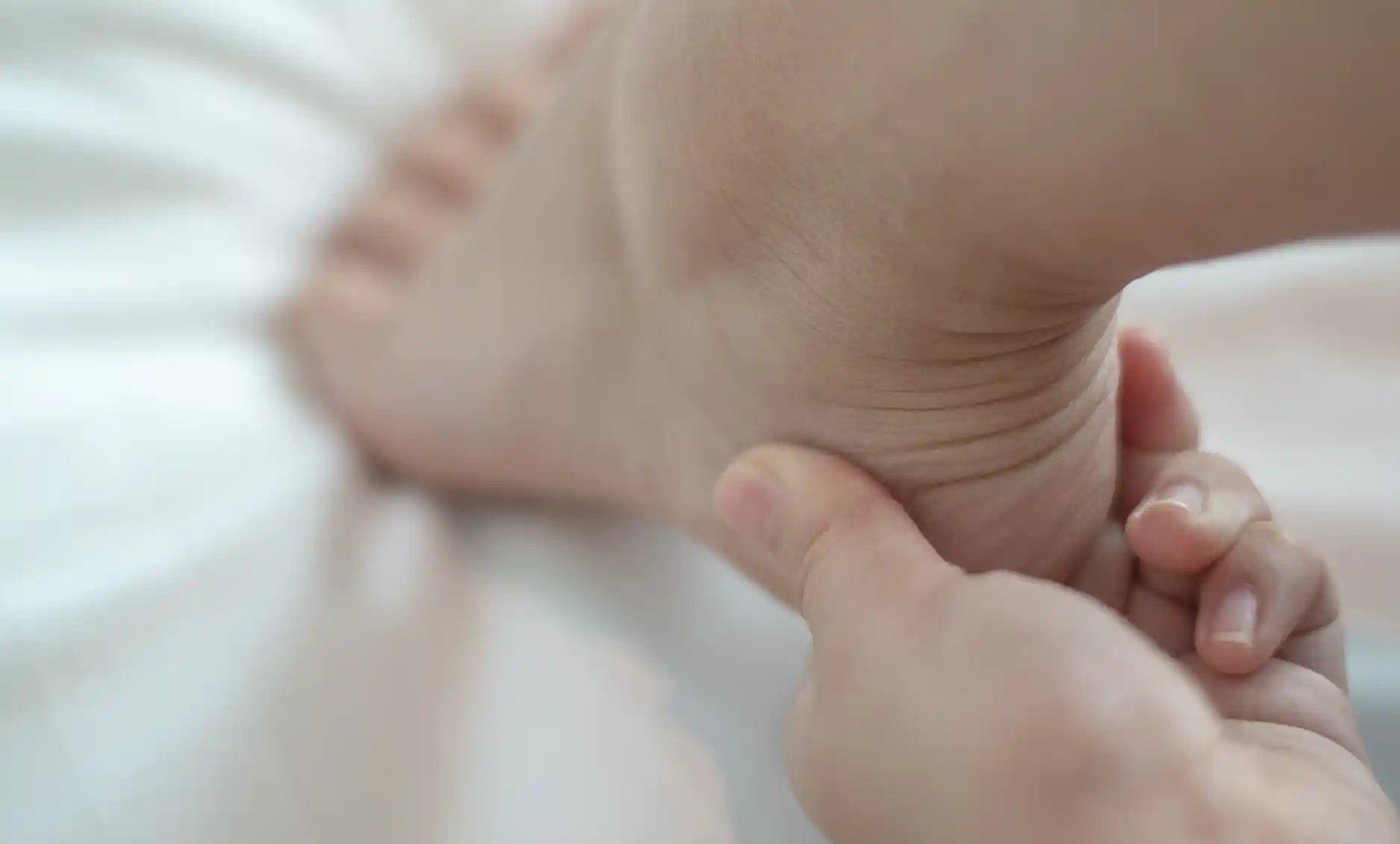
- Pain when the sides of the heel are squeezed
- Tiredness
How We Diagnose Calcaneal Apophysitis
The core focus when diagnosing Sever’s disease is to rule out other more severe conditions. Therefore, a foot and ankle surgeon would thoroughly examine the child’s medical history, and recent activities, and perform a physical examination of the foot and leg. X-rays and advanced imaging studies are used to assess the condition in one or both feet.
Treatment Options for Children’s Foot Alignment Issues
- Decrease Activity Levels: To alleviate pain, reducing or halting any pain-causing activity is vital.
- Heel Support: Temporary shoe inserts or custom orthotic devices may provide support for the heel, relieving strain and aiding recovery.
- Medications: Nonsteroidal anti-inflammatory drugs (NSAIDs), such as ibuprofen, can help reduce pain and inflammation.
- Physical Therapy: Therapeutic exercises or modalities, such as stretching, are employed to hasten the healing process.
- Cast Immobilization: In the most severe cases, a cast may be ordered to immobilize the foot and ankle to expedite recovery.
Importantly, if your child is experiencing repeat bouts of heel pain, it’s essential to consult with a foot and ankle specialist as this may indicate a recurrence of calcaneal apophysitis or point to another problem.
Don’t Wait to See a Specialist for Sever’s Disease
Sever’s disease is a common but often painful condition affecting the growth plate of the heel, typically striking active children during key stages of physical development. While not dangerous, the inflammation can significantly limit a child’s ability to run, play sports, and stay confidently active. This is why early evaluation by a pediatric foot and ankle specialist is essential.