

Fungal Toenails
Understanding Toenail Fungus
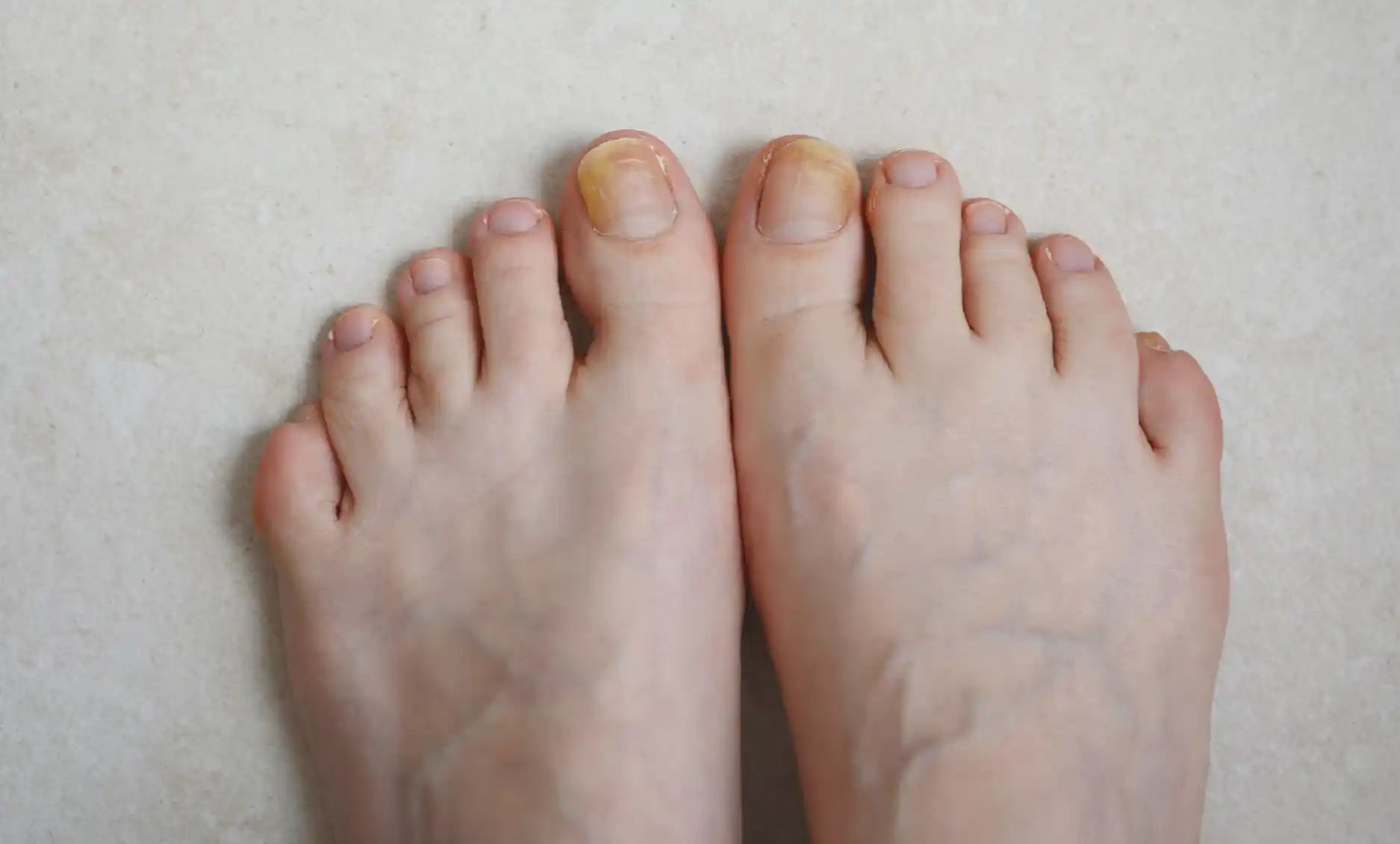
Nail fungus, or onychomycosis (on-e-ko-my-koh-sis), is an infection caused by certain microscopic organisms that grow on the soft skin, or nail bed beneath your nails. It causes nails to become brittle, discolored, or deformed. People usually get nail fungus when something (such as an injury) causes a break in the nail or lifting of the nail at the end allowing organisms to go beneath the nail.
Most medications you may apply to the surface (solutions, creams, or ointments) are rarely successful as they cannot penetrate the nail plate. Tolcylen, however, is a newer generation topical medication that has been shown to be very effective in treating fungal toenails. Nail fungus can also be treated with oral medication, such as Lamisil tablets but interfere with many medications, require liver monitoring for extended treatment courses and can be difficult to tolerate.
Common Causes of Fungal Toenails
- Warm, Moist Environments: Fungi that cause toenail infections thrive in environments that are warm and moist. This is why toenail fungus is often found in individuals who frequently wear closed-toe shoes.
- Poor Foot Hygiene: Neglecting proper foot hygiene, such as not washing regularly or drying feet thoroughly, can significantly increase the risk of developing toenail fungus.
- Trauma to the Nail: Injuries to the toenail or the skin around the nail can provide an entry point for fungi. Even minor injuries, such as stubbing your toe or trimming your nails too closely, can increase the risk of infection.
- Weakened Immune System: Individuals with weakened immune structures, such as those with diabetes, HIV/AIDS, or those undergoing radiation, are particularly vulnerable to fungal infections.
- Age: As we age, our nails can become more brittle and dry, creating more opportunities for fungi to invade. Additionally, reduced blood circulation and slower nail growth in older adults can make it easier for infections to take hold and harder to treat.
- Athlete’s Foot: An athlete’s foot is a commonplace fungal contamination that affects the pores and skin of the foot, mainly between the feet. Left untreated, the fungus can unfold to the toenails, main to toenail contamination.
- Genetics: Some people may be genetically predisposed to developing toenail fungus. You may be at a higher risk if you have a family history of toenail fungus or other fungal infections.
Signs and Symptoms of Fungal Toenails
- Discoloration: The nail may turn yellow, brown, or white.
- Thickening: The nail may become thicker than usual.
- Crumbling: The edges of the nail may crumble or become ragged.
- Distortion: The shape of the nail may become distorted.
- Odor: An unpleasant smell may emanate from the infected nail.
- Separation: The nail may start to separate from the nail bed.
How We Diagnose Fungal Toenails
- Thorough Evaluation: We conduct a detailed examination to determine the extent of the infection and identify the specific type of fungus involved.
- Personalized Treatment Plans: Based on the assessment, we increase a custom-designed remedy plan which can consist of a combination of topical or oral medicines, laser therapy, and preventive measures to lessen the danger of recurrence.
- Patient Education: We believe in empowering our patients with knowledge. We provide guidance on proper foot hygiene, nail care, and lifestyle adjustments to prevent future fungal infections.
- Ongoing Support: Managing toenail fungus may be a long-time period process. We offer ongoing support and follow-up care to reveal progress and adjust remedy plans as needed.
Treating Fungal Toenails
- Topical Antifungal Medications: Topical remedies, along with antifungal lotions, ointments, and nail lacquers, may be applied at once on the affected nail. These are normally more effective for mild to slight infections.
- Oral Antifungal Medications: Oral antifungal drugs, such as terbinafine (Lamisil) and itraconazole (Sporanox), are often prescribed for more severe infections. These medications can help clear the infection more effectively by reaching the fungus through the bloodstream.
- Laser Treatment for Toenail Fungus: Laser therapy is a same-day, in-office procedure that uses a laser to target and treat the fungus without damaging the surrounding tissue.
- Surgical Removal: In severe cases where the infection does not respond to other treatments, surgical removal of the infected nail may be necessary. The nail can be removed partially or completely, and in some cases, a new healthy nail will grow back.
- Home Remedies: Some individuals opt for home remedies to treat toenail fungus, such as tea tree oil, vinegar soaks, and Vicks VapoRub. While some of these remedies have anecdotal support, their effectiveness is not well-documented in scientific literature.
Don’t Wait to Get Treatment for Fungal Toenails
If you do experience signs and symptoms of toenail fungus, look for prompt treatment from a qualified healthcare company, like Dr. Kris A. DiNucci at the Foot and Ankle Center of Arizona, who can assist repair the health and look of your nails. With the right care and prevention strategies, you may maintain your feet healthful and free from fungal infections.