

Warts
Understanding Warts
Warts are small, noncancerous skin growths caused by certain strains of the human papillomavirus (HPV). While harmless, they can be uncomfortable, stubborn, and sometimes embarrassing—especially when they appear on the feet or around the nails, where they may become painful with pressure or activity. Anyone can develop them, and they often spread through direct contact or shared surfaces. There are several types of warts, each with its own appearance and common locations.
There are 5 main types of warts:
- Common warts (verruca vulgaris): Usually appear on the hands and fingers; rough, raised bumps
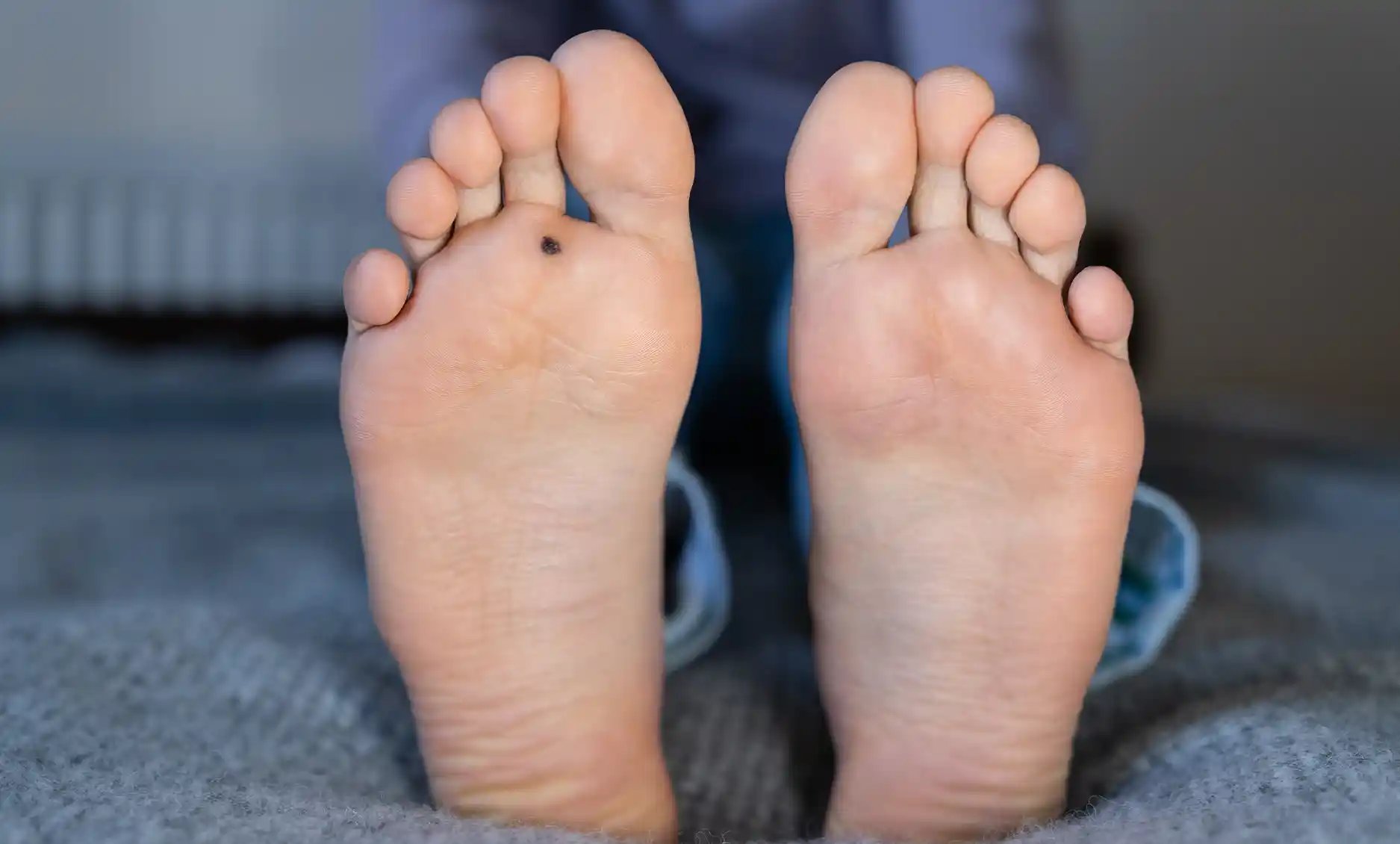
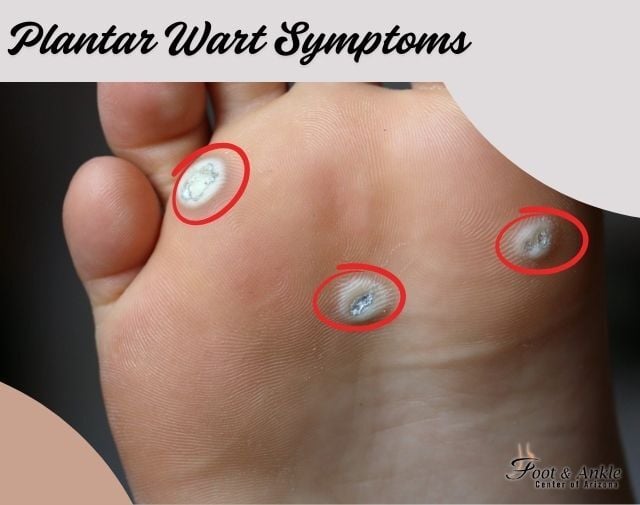
- Plantar warts (verruca plantaris): Found on the soles of the feet; often flat and painful due to pressure.
- Flat warts (verruca plana): Small, smooth, slightly raised lesions that can appear in clusters—common on the face, legs, and arms.
- Filiform warts: Long, narrow, thread-like growths often appearing around the mouth, nose, or eyes.
- Periungual warts: Develop around fingernails or toenails; can be painful and disrupt nail growth.
Common Causes of Warts
Different types of warts tend to form based on where certain strains of the HPV virus enters the skin and how the body responds.
This can occur due to:
- Direct contact with HPV, either through skin-to-skin touch or contaminated surfaces
- Walking barefoot in shared areas, which often leads to plantar warts on the bottoms of the feet
- Small cuts, cracks, or abrasions that allow the virus to enter the skin more easily
- Moist or sweaty environments, which can weaken the skin’s natural barrier
- Nail biting or picking, increasing the risk of periungual warts around the fingers or toes
- Shaving or friction, which can spread flat warts across the face, legs, or arms
- Weakened immune function, making it harder for the body to fight off HPV exposure
Signs and Symptoms of a Wart
Warts can look and feel different depending on their type and where they appear, but several key features can help you recognize them early.
Common indicators that you have a wart include:
- Small, rough, raised bumps that may feel grainy or textured
- Flesh-colored, white, pink, or tan growths that stand out from surrounding skin
- Black pinpoints (“seed” dots) inside the wart, which are tiny clotted blood vessels
- Pain or tenderness with pressure, especially on the bottom of the foot (plantar warts)
- Flat, smooth clusters on the face, legs, or arms (flat warts)
- Thread-like, finger-shaped projections near the mouth, nose, or eyes (filiform warts)
- Warts around the fingernails or toenails that may cause peeling or changes in nail growth (periungual warts)
How We Diagnose Warts
Diagnosing warts is typically straightforward, but because several skin conditions can mimic their appearance, a careful evaluation helps ensure you receive the right treatment. The process is simple, comfortable, and focused on identifying the exact type of wart and any factors contributing to its persistence.
Your evaluation may include:
- A visual examination of the growth’s appearance, texture, and location
- Review of your symptoms and history, including how long the lesion has been present and whether it’s changed
- Gentle paring of the affected area, if needed, to look for features typical of warts (like pinpoint vessels)
- A dermatoscopic exam to assess the lesion more closely
- A biopsy in rare cases, if the wart is atypical or not responding to treatment, to rule out other skin conditions
Treating Warts
Warts can be stubborn, but with the right treatment approach, most resolve effectively and with minimal discomfort.
Common treatment options include:
- Topical medications that gradually break down wart tissue and encourage healthy skin to return
- Chemical treatments that target deeper layers of the wart for more persistent cases
- Laser therapy to precisely remove resistant warts with minimal damage to surrounding skin
- Mechanical debridement to reduce thick, painful wart tissue—especially helpful for plantar warts
- Intralesional directed chemotherapy are in-office treatments that can eradicate most recalcitrant warts in a single treatment.
Most warts improve with consistent treatment, but some may require several sessions depending on depth and duration. Following your care instructions—such as keeping the area clean, avoiding picking, and reducing moisture—can help ensure the wart clears fully and stays gone.
When to See a Podiatrist for Warts
While some warts may improve on their own, many become painful, spread, or persist despite home remedies. If a wart is interfering with your comfort, activity level, or daily routine, a specialist can provide precise diagnosis and effective treatment options that go beyond what over-the-counter care can offer.
Consider requesting an appointment if:
- The wart is painful, especially when walking or wearing shoes
- It has spread or multiplied over time
- You’re unsure whether the growth is truly a wart
- Home treatments have not worked or the wart keeps returning
- The area becomes red, irritated, or swollen
- You have diabetes or circulation concerns, increasing the risk of complications